There is no single autism symbol; rather, there is a set of emblems that have evolved from the puzzle piece of the 1960s to current designs such as the rainbow infinity symbol, the butterfly, and the gold “Au.” Today, there is no single official emblem; its meaning depends on the context, the community, and the intention. Associated colors include blue, rainbow, and gold, reflecting neurodiversity and inclusion. Responsible use requires accompanying them with respectful language and concrete actions in schools, clinics, and workplaces.
Discover the evolution, meaning, and current use of autism emblems
Autistic symbols are powerful tools that instantly convey ideas and build bridges of collective understanding. Within the autistic community, they have been key to fostering awareness, support, and open dialogue. With advances in research, advocacy, and personal experiences, the representation of autism has changed profoundly—and with it, its symbols. Today, there is no single autism symbol that encompasses the full diversity of people and families. Instead, multiple emblems coexist in schools, clinics, organizations, and digital environments. Understanding the evolution of these autism logos helps us grasp their meaning and current use in different contexts.
What is the origin of the autism symbol?
The use of autistic symbols to represent autism emerged alongside the first public awareness campaigns. In the mid-20th century, autism was still little known, and outreach efforts focused on education and basic recognition. At that time, the autism symbol served a key function: bringing this condition closer to the general public and providing a visual reference for learning and dialogue.
As research advanced and diagnostic criteria became more precise, the visibility of autism extended beyond clinical settings. Autism symbols were incorporated into school materials, charity campaigns, and community events, becoming familiar to families, teachers, and professionals. These images shaped the earliest strategies for autism education.
The evolution of meaning
Understanding the history of the autism logo means accepting that each image reflects the knowledge, language, and priorities of its time. Today, the social dialogue has matured, and new designs have emerged that embrace inclusion, accessibility, and quality of life. This evolution demonstrates that autism logos are not static: they transform along with the people they represent and the society that interprets them.
What are the most commonly used autism symbols today?
Currently, the most widely used autism symbols combine tradition and modernity. From the historic puzzle piece to the infinite rainbow, each reflects a unique facet of neurodiversity.
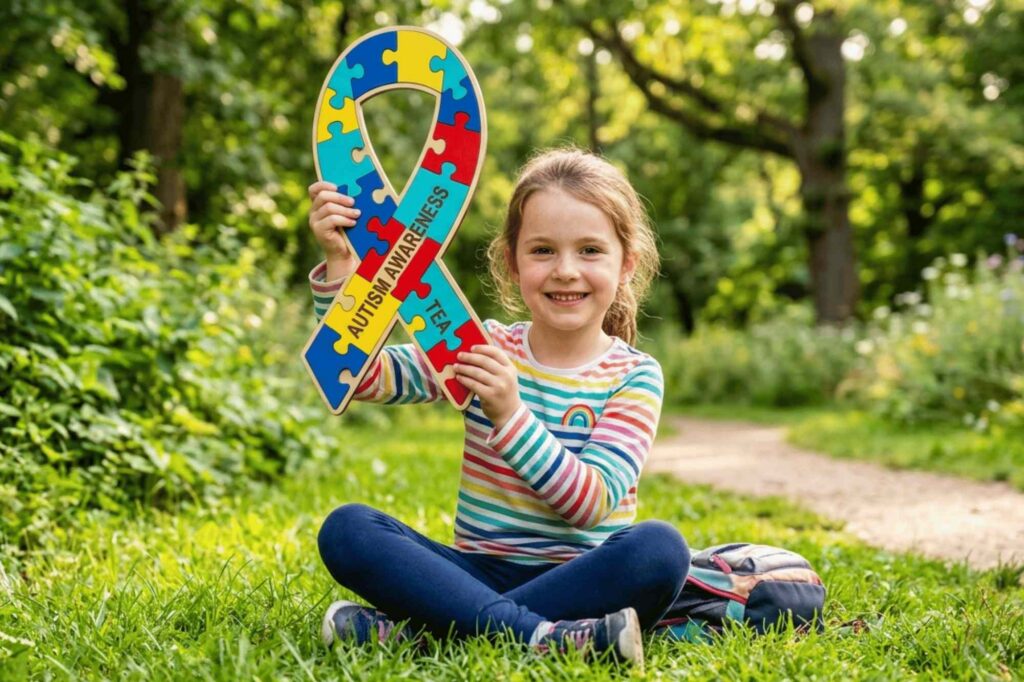
The autism puzzle: The historic emblem
The oldest and most recognizable autism symbol is the autism puzzle, which was introduced in the 1960s. In its early days, it was closely linked to education and public awareness campaigns, at a time when understanding of autism was just beginning to develop. For decades, this symbol appeared in brochures, charity events, and school programs, becoming a familiar emblem for families, teachers, and professionals.
For many, it evokes the first steps toward social recognition and the expansion of resources and support. Today, this image persists in certain circles, though it is often accompanied by messages that prioritize respect, inclusion, and support. Like any autism logo, its meaning is not fixed: it depends on the context, the intention, and the values it conveys. Using it responsibly means listening to the autistic community and choosing representations that honor their diversity and dignity.
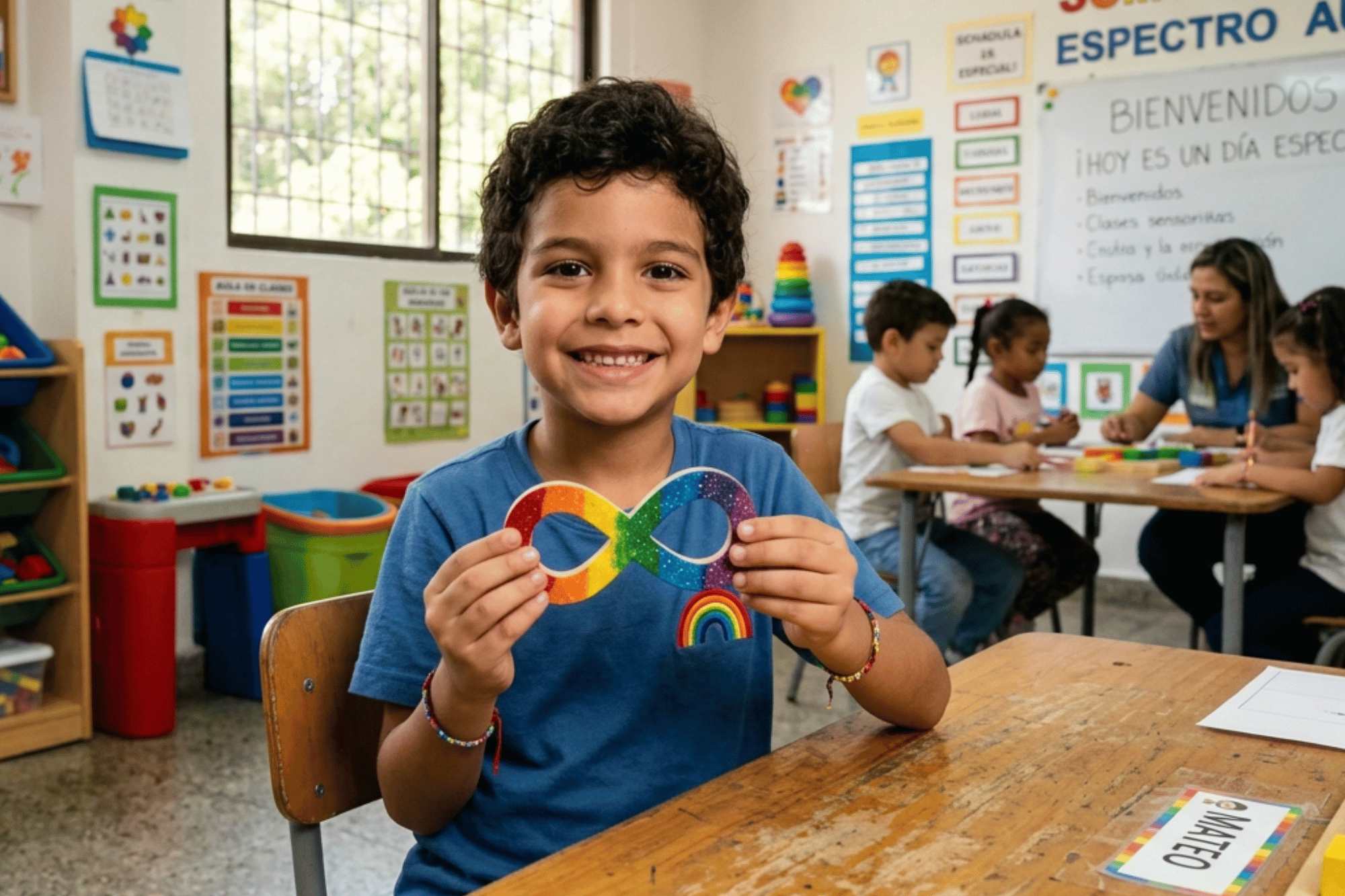
Infinite rainbow: The new autism symbol 2026
The infinite rainbow is the most current symbol that encompasses the diversity of the spectrum. Its endless shape represents a continuous identity, and its colors celebrate unique individuality. This modern design reflects an inclusive and respectful view of neurodiversity.
The autism butterfly: Transformation and growth
The autism butterfly evokes transformation and growth. It represents the beauty of neurodiversity with a joyful and inclusive approach, conveying hope and full acceptance. It is a contemporary and respectful alternative among autistic symbols.
Designs inspired by the spectrum
Abstract spectrum designs, featuring gradients and fluid shapes, represent autistic variation. They are commonly found in digital and educational settings as modern symbols of autism.
Heart motifs and community
Hearts and community motifs are autism logos that express affection, support, and connection. They highlight shared understanding and meaningful relationships within the spectrum.
What are the colors for autism?
The colors associated with autism have evolved over time. Blue was a pioneer in awareness campaigns, linked to the famous “Light It Up Blue” initiative. However, today more diverse color palettes are preferred to reflect the breadth of the spectrum. The rainbow and gold symbolize neurodiversity and the value of differences. These colors for autism awareness aim to represent diversity, inclusion, and respect for the unique experiences of each person within the autism community.
Symbols of autism throughout history
| Symbol | Period of origin | Main meaning | Current use |
| Puzzle piece | 1960s | Awareness and early education | Still used in some contexts, with a focus on respect |
| Rainbow infinity | Recent years | Diversity, neurodiversity, and continuous identity | Growing adoption in communities and on social media |
| Gold (“Au”) | Last decade | Value, belonging, and recognition | Ribbons, badges, and visibility campaigns |
| Butterfly | Current | Transformation, hope, and acceptance | A joyful and inclusive alternative |
| Spectrum designs | Modern | Autistic variation and fluidity | Digital and educational environments |
| Heart and community | Contemporary | Affection, support, and community bonds | Expressions of solidarity |
Best practices for using autism symbols
Consciously choosing each autism symbol ensures clarity and respect in communication:
- Include autistic voices: Involving people with autism and their families in the selection of images provides real perspective and relevance.
- Define the purpose: to educate, raise awareness, or provide support; each objective guides the choice of autism symbol and message.
- Respectful, strength-based language: Pair the autism symbol with words that highlight dignity, abilities, and access to supports—not deficits.
- Accessible design: Use high contrast, clear typography, alternative text, captions, and clean visual structures.
- Link the symbol to concrete action: training, reasonable accommodations, educational resources, or community partnerships.
- Adapt to the setting: Schools, clinics, businesses, and social media each require different visual and communicative approaches.
A well-chosen autism symbol, backed by practical support, transforms awareness into genuine and sustainable inclusion.

Use of autism symbols in schools, clinics, and workplaces
The autism symbol takes on true meaning when it is integrated into concrete actions for inclusion. Its use in different settings requires context and consistency:
- Schools: Introduce autism symbols with age-appropriate explanations, alongside inclusive methodologies, sensory accommodations, and teacher training.
- Clinics: Use it as part of respectful and family-centered care, creating welcoming spaces that facilitate communication about available services.
- Workplaces: Use it to reflect inclusive values, accompanied by flexible policies, clear communication, and reasonable accommodations for employees with disabilities.
In any case, explaining the meaning of the autism symbol and its connection to tangible supports strengthens trust and mutual understanding.
Choose symbols that transform, not just inform
Autism symbols are not mere designs: they are bridges to true inclusion. Their evolution teaches us that every image should reflect dignity, diversity, and respect for lived experiences. But an autism symbol comes to life when accompanied by concrete actions. That’s why we invite schools, clinics, and businesses to integrate these symbols with training, sensory accommodations, and inclusive policies. At MGM Behavioral, we provide ABA Therapy in South Florida with a person-centered approach, using each autism symbol as a reminder of our daily commitment. Today, more than ever, choose to represent responsibly and take action that makes a difference.
Frequently asked questions
Quick answers to your most common questions about autism symbols:
Is there an official symbol for autism?
No, there is no single official autism symbol. Each organization or family chooses images that align with their values, audience, and goals, always prioritizing respect and authentic representation.
Why is the puzzle piece controversial?
Some autistic people feel that the autism puzzle piece suggests that autism is a problem to be solved. For this reason, many prefer designs like the rainbow infinity symbol, which emphasize neurodiversity and a continuous identity.
What colors best represent autism?
Colors associated with autism include blue (traditional), rainbow (diversity), and gold (value and belonging).
How can I use the autism symbol respectfully?
Accompany any autism symbol with person-centered language, explain its meaning, involve the autistic community, and, above all, back it up with concrete actions of inclusion and support.